
This is the story of how "birds of a feather flock together" - also in real-life professional IT environments.
The requirements were clear: Zero Trust and a modern app-based setup. The solution not only had to be good in itself, but the systems also had to be configured for compatibility, added value, and privacy considerations. Andersen was also concerned that security should be proactive against the threat landscape we are experiencing in today’s cyberspace – a focus that became even more pressing when the war in Europe broke out in February that same year. Andersen was already well acquainted with Netsecurity, but it was not until he became truly familiar with how we put our Zero Trust strategy into practice that the collaboration really took off.
– Zero Trust is not a technology, but a philosophy, Andersen says with satisfaction from his office in Sandefjord.
But how do you act on a philosophy? This was where Andersen truly opened his eyes to Netsecurity as a potential partner and supplier of firewalls to the municipality. He continues:
- For many, Zero Trust is just a "buzzword" that is rarely followed in practice. In the tender process, we asked all potential suppliers to describe their relationship with Zero Trust, and here Netsecurity was not only the only one to include the philosophy in its proposed solution – they were spot on.
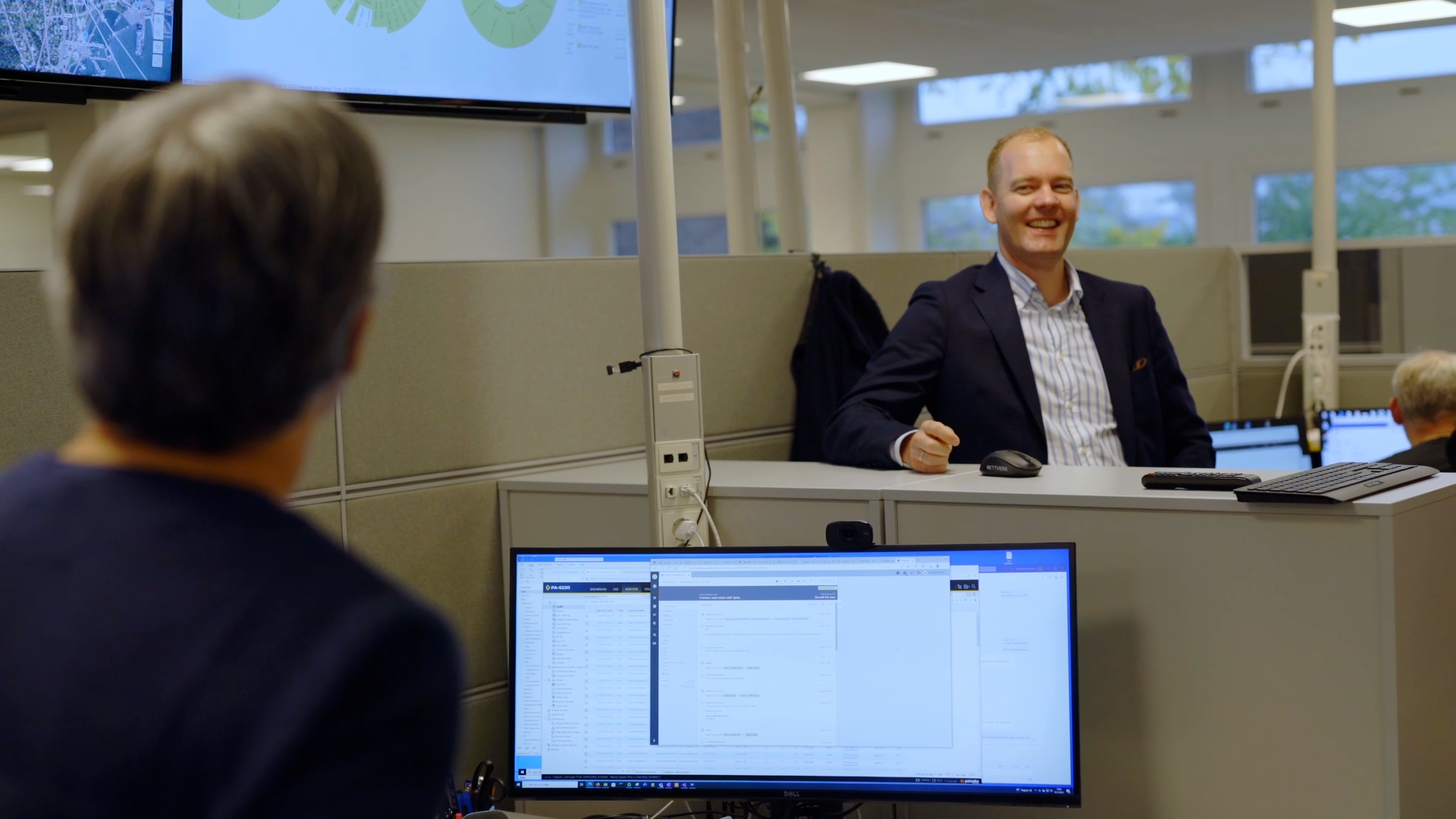
Zero Trust in practice is a fundamental understanding that you must always be on guard and assume that you are compromised, or "milk and bread" as Andersen aptly calls it in his context.
The VG test and Securithon confirmed Andersen’s impression of Netsecurity as a serious player with Zero Trust as a core area. In addition, he was impressed by the calm and professionalism the advisors displayed when facing technical challenges, but more on this later.
Netsecurity's advisors are also full of praise for the collaboration with Andersen’s team.
– When experts choose experts, the result is often a competent and successful collaboration, adds Netsecurity's advisor in the collaboration, Øyvind Evjum, humbly.
– At Netsecurity, we do not sell off-the-shelf products, we sell expertise, Evjum continues somewhat more emphatically.
It was precisely this expertise and execution capability that Sandefjord Municipality would also learn to appreciate during the implementation phase of the project. In a short time, 15.000 users across 170 locations in 230 systems were to be transitioned – the stakes were, to put it mildly, somewhat out of the ordinary for the municipality’s ICT setup that day. Andersen perhaps describes it best himself:
– It’s like ripping the engine out of a moving car!
It was a tense group that showed up at the IT department’s premises on the morning of Wednesday the 17th. august 2022. They had communicated clearly and broadly in advance, and everyone who depends on the municipality’s ICT systems on a daily basis was well informed that the day might look somewhat different. They had heard of other organizations that had carried out similar operations and had to roll back four times before everything worked as it should. Andersen saw an opportunity to use the occasion for a comprehensive review of the municipality’s other security routines.
– Since all the systems were planned to be down, we encouraged all municipal bodies to seize the opportunity to and stress-test manual emergency procedures and contingency plans.
Together, the municipality and Netsecurity's advisors and technicians had set 13:00 as the "point of no return," and when the hour had come, the update could also be declared a success.
– Netsecurity worked systematically and methodically without a trace of stress or chaos. That reassured us tremendously throughout the day and confirmed our impression that we were dealing with professional people. Overall, we were operational the next day, Andersen sums up.
It is September 2022, and Andersen has relaxed considerably since the nerve-racking day the month before.
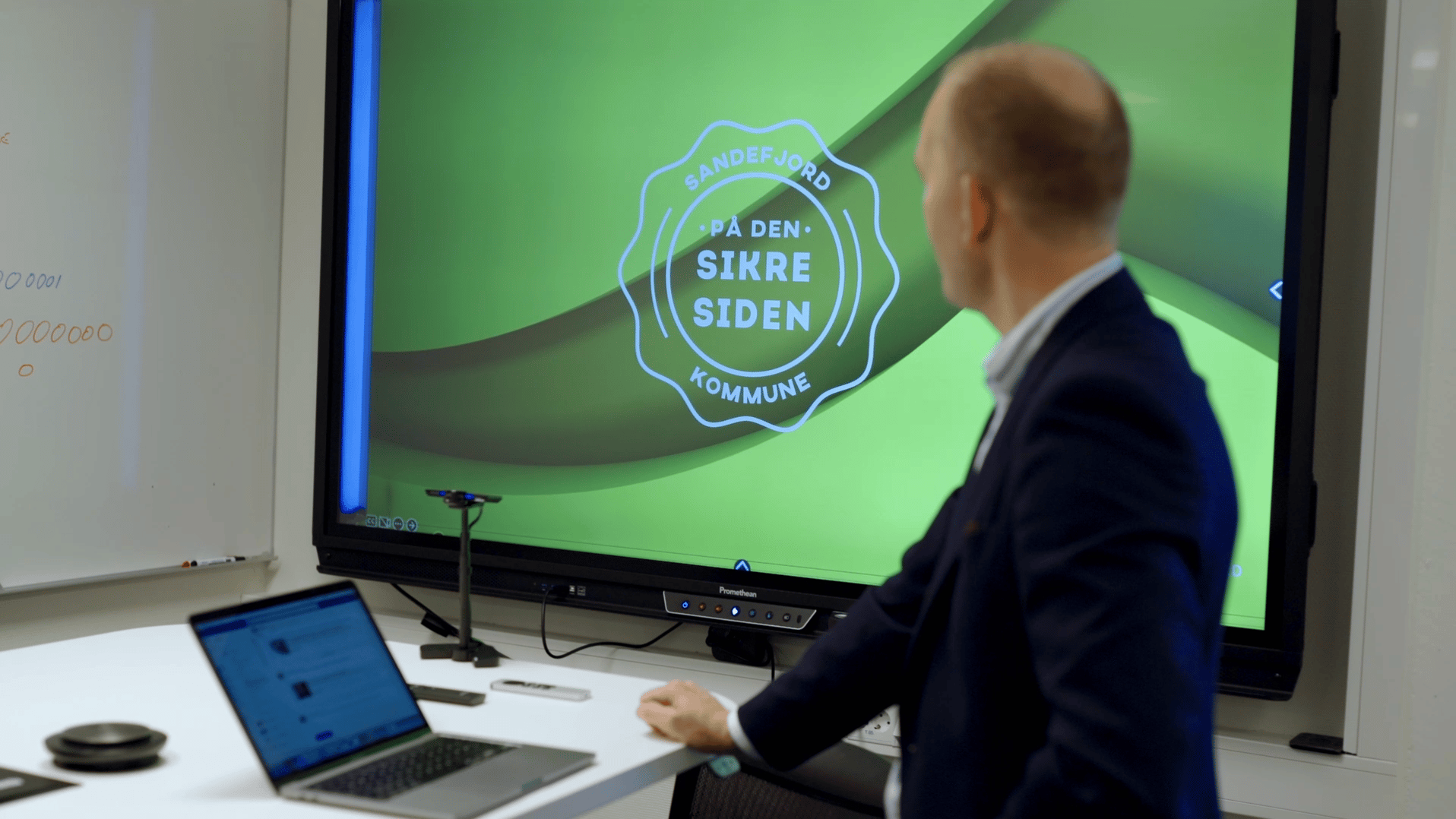
– We feel that things are really falling into place now. There is always a period of adjustment to get aligned, but we have received excellent support from Netsecurity, so it has been painless. We look forward to working with Netsecurity in the future as well, and we are especially impressed by the close dialogue they have with Palo Alto Networks.
Sandefjord Municipality is leading the way toward a more secure public-sector ICT Norway, and anchors this throughout the municipal leadership. The main pillar of the municipality’s overall security strategy is IT security and privacy, something they are working ambitiously to stay ahead on.
Based on the Zero Trust philosophy, they are also working closely to make the security culture accessible to everyone. The municipality challenges suppliers to ensure that the measures implemented are accessible and manageable for all users. Andersen concludes with some thoughts on the future of IT security for his municipality.
– A new firewall from Palo Alto Networks is only the beginning. We want better control over all the devices on our networks, as well as two-factor authentication, alarms, and security information in as few solutions as possible – and not least automated systems that actually sort things out.
On behalf of everyone at Netsecurity, we would like to thank Sondre Andersen and Sandefjord Municipality for a fruitful and educational collaboration so far, Evjum concludes, while also expressing enthusiasm for the municipality’s slogan for a good security culture: "On the safe side".
Sandefjord Municipality is a maritime and cultural city, and the most populous municipality in Vestfold county with 65.000 inhabitants. 1. january 2017, the municipalities of Stokke, Andebu, and Sandefjord merged into one municipality: Sandefjord Municipality. This was the first merger in the local government reform adopted by the Storting in 2014.